

Qualities of an Editing Expert: What Makes a Skilled Editing Expert?

Editing is more than just fixing typos or correcting grammar. It’s a craft that requires a sharp eye, deep understanding, and a passion for clarity. As someone who has worked closely with graduate students, especially doctoral candidates, I’ve seen firsthand how a skilled editor can transform a dissertation from a rough draft into a polished masterpiece. But what exactly makes an editing expert stand out? Let’s dive into the essential qualities that define a true professional in this field.
Key Qualities of an Editing Expert
When I think about what sets a top-tier editor apart, several qualities come to mind. These are not just skills but attitudes and habits that ensure every piece of writing reaches its full potential.
1. Attention to Detail
A skilled editor notices the smallest inconsistencies that others might miss. Whether it’s a misplaced comma, a repeated word, or a formatting error, nothing escapes their notice. This meticulousness ensures the final document is flawless and professional.
2. Strong Language Skills
An editor must have an excellent command of language. This includes grammar, punctuation, syntax, and style. But it also means understanding the nuances of tone and voice, especially when working with academic writing where clarity and precision are paramount.
3. Subject Matter Familiarity
While editors don’t need to be experts in every field, having a basic understanding of the subject matter helps immensely. For doctoral candidates, this means the editor should be comfortable with academic jargon and the conventions of scholarly writing.
4. Patience and Persistence
Editing can be a repetitive and sometimes tedious process. A skilled editor approaches this with patience, carefully reviewing and revising until the text is clear and concise. They don’t rush but work steadily to improve the manuscript.
5. Communication Skills
Great editors don’t just correct; they explain. They provide constructive feedback that helps writers understand their mistakes and learn from them. This collaborative approach builds trust and improves the writer’s skills over time.
6. Adaptability
Every writer has a unique style, and every project has different requirements. A skilled editor adapts their approach to fit the needs of the writer and the purpose of the document, whether it’s a dissertation, journal article, or grant proposal.
7. Time Management
Deadlines are critical, especially in academia. A professional editor manages their time efficiently to deliver high-quality work on schedule without compromising quality.
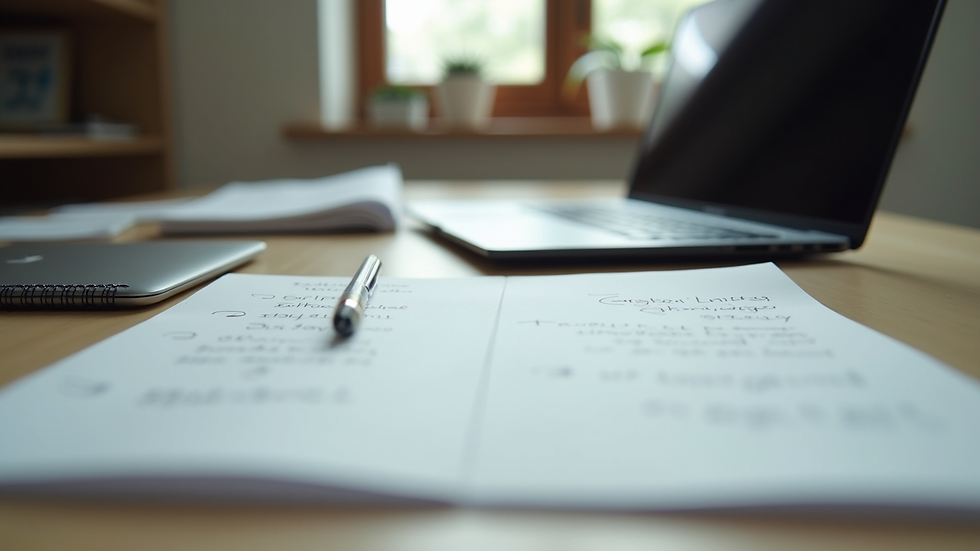
An editor’s workspace showing detailed notes and digital tools.
The Role of an Editing Expert in Academic Success
Editing is a crucial step in the academic journey, especially for doctoral candidates. A skilled editor helps ensure that the dissertation is not only free of errors but also logically structured and compelling. Here’s how an editing expert supports academic success:
Enhancing Clarity and Flow: Complex ideas need to be communicated clearly. Editors reorganize sentences and paragraphs to improve readability and logical progression.
Ensuring Consistency: From citation styles to terminology, consistency is key in academic writing. Editors enforce these standards to meet institutional requirements.
Polishing Language: Academic writing demands precision. Editors refine language to eliminate ambiguity and strengthen arguments.
Reducing Stress: Knowing that a professional is reviewing your work can ease anxiety and boost confidence during the dissertation process.
If you want to learn more about what makes a true editing expert, this resource offers detailed insights and services tailored for doctoral candidates.
Is an Editor a High Paying Job?
Many wonder if editing is a lucrative career path. The answer depends on several factors, including specialization, experience, and client base.
Academic Editing: Editors who specialize in academic work, especially dissertations and theses, often command higher rates due to the complexity and importance of the work.
Freelance vs. In-House: Freelance editors can set their own rates and potentially earn more, but income can be inconsistent. In-house editors have steady salaries but may earn less than top freelancers.
Experience and Reputation: Established editors with a strong portfolio and positive client feedback can charge premium rates.
Geographic Location: Rates vary by region, but with remote work, editors can serve clients worldwide, expanding earning potential.
For doctoral candidates, investing in a skilled editor is worth the cost because it can significantly impact the quality and success of their dissertation.

An editor reviewing a manuscript carefully with a red pen.
Practical Tips to Develop Your Editing Skills
If you’re aiming to become a skilled editor or simply want to improve your own editing abilities, here are some actionable tips:
Read Widely and Often
Expose yourself to different writing styles and genres. This broadens your understanding of language and helps you recognize what works well.
Practice Regularly
Edit various types of documents, from essays to research papers. The more you practice, the sharper your eye becomes.
Learn Style Guides
Familiarize yourself with major style guides like APA, MLA, and Chicago. Knowing these inside out is essential for academic editing.
Use Editing Tools Wisely
Leverage software like Grammarly or Hemingway for initial checks, but don’t rely solely on them. Human judgment is irreplaceable.
Seek Feedback
Work with other editors or writers to get feedback on your editing. This helps you identify blind spots and improve your approach.
Stay Updated
Language evolves, and so do academic standards. Keep learning about new trends and best practices in editing.
Why Choosing the Right Editor Matters
Selecting the right editor can make or break your dissertation. Here’s why it’s crucial to choose carefully:
Expertise in Your Field: An editor familiar with your discipline understands the terminology and expectations.
Attention to Your Voice: The best editors preserve your unique voice while enhancing clarity.
Reliability: Timely delivery and consistent quality are non-negotiable.
Supportive Approach: Editing should be a partnership, not just a service.
At Dr AC Writes LLC, the goal is to be the go-to expert for doctoral candidates needing top-notch dissertation editing. With personalized support and a deep understanding of academic challenges, we help you successfully complete your journey and become a doctor.
Taking the Next Step in Your Academic Journey
Becoming a skilled editor or finding one who meets your needs is a vital part of academic success. Whether you’re polishing your dissertation or considering a career in editing, remember that the qualities discussed here are your roadmap to excellence.
If you’re ready to elevate your writing or need expert help, don’t hesitate to reach out to professionals who understand the unique demands of doctoral work. Your academic dreams deserve nothing less than the best.
Happy editing!


Comments