


What Sets an Editing Expert Apart: Skills of an Editing Expert
- dracwrites

- May 11
- 4 min read
When I first started working with doctoral candidates, I quickly realized that editing is not just about fixing typos or grammar mistakes. It’s a nuanced craft that requires a deep understanding of language, structure, and the unique demands of academic writing. What truly sets an editing expert apart is a blend of skills, experience, and a genuine passion for helping writers communicate their ideas clearly and effectively. In this post, I’ll share insights into the essential skills of an editing expert and why these qualities matter so much for graduate students working on dissertations and theses.
Essential Skills of an Editing Expert
Editing is a multifaceted process. To be effective, an editor must master several key skills:
1. Attention to Detail
An editing expert has an eagle eye for detail. This means catching not only spelling and grammar errors but also inconsistencies in formatting, citation styles, and even subtle shifts in tone or voice. For example, a dissertation might switch between American and British English spellings, which can confuse readers and reduce the paper’s professionalism. Spotting these issues early ensures a polished final product.
2. Strong Grasp of Academic Conventions
Academic writing has its own rules and expectations. An editing expert understands these conventions inside and out. This includes familiarity with citation styles like APA, MLA, or Chicago, as well as the structure of academic papers—introduction, literature review, methodology, results, discussion, and conclusion. Knowing how each section should flow and what content belongs where is crucial.
3. Clarity and Conciseness
Graduate students often struggle with expressing complex ideas clearly. An editing expert helps by simplifying sentences, eliminating jargon, and restructuring paragraphs to improve readability. For instance, turning a convoluted sentence like “The results of the study, which were unexpected, showed a significant correlation between variables” into “The study unexpectedly found a significant correlation between variables” makes the text easier to follow.
4. Empathy and Communication
Editing is a collaborative process. A good editor listens carefully to the writer’s goals and concerns. They provide constructive feedback in a supportive way, encouraging writers to improve without feeling overwhelmed. This empathetic approach builds trust and motivates students to keep refining their work.
5. Technical Proficiency
Beyond language skills, an editing expert is proficient with editing tools and software. This includes track changes in Word, reference management tools like EndNote or Zotero, and plagiarism checkers. These tools help streamline the editing process and ensure accuracy.

Caption: Close-up view of a laptop keyboard with editing software open, highlighting the technical tools used by editors.
How Experience Shapes an Editing Expert
Experience is a game-changer in editing. The more papers an editor reviews, the better they become at spotting common pitfalls and understanding the nuances of different academic disciplines. For example, editing a dissertation in psychology requires different expertise than editing one in engineering or literature.
Experienced editors develop a mental checklist that covers everything from logical flow to argument strength. They can quickly identify gaps in reasoning or areas where additional evidence is needed. This insight comes from years of working closely with graduate students and understanding the pressures they face.
Moreover, seasoned editors often have a network of resources and contacts, such as subject matter experts or statisticians, to consult when specialized knowledge is required. This collaborative approach ensures the highest quality of editing.
Is an Editor a High Paying Job?
Many wonder if becoming an editor is financially rewarding, especially in the academic field. The answer varies depending on experience, specialization, and client base.
Academic editing, particularly for doctoral candidates, can be quite lucrative. Editors who specialize in dissertations and theses often charge premium rates because of the complexity and importance of the work. For example, a detailed dissertation edit might cost several hundred to a few thousand dollars, depending on length and depth of editing.
However, building a reputation as a trusted editing expert takes time. Early in their careers, editors might earn less as they build their portfolio and client base. But with consistent quality and positive referrals, income can grow steadily.
Freelance editors also enjoy flexibility, choosing projects that fit their expertise and schedule. This autonomy is a significant advantage for many professionals.
Practical Tips for Graduate Students Seeking Editing Help
If you’re working on a dissertation, here are some actionable tips to get the most out of your editing experience:
Start Early: Don’t wait until the last minute to seek editing help. Early feedback allows you to make substantial improvements before final submission.
Be Clear About Your Goals: Communicate your expectations and any specific concerns with your editor. This helps tailor the editing process to your needs.
Review Feedback Carefully: Take time to understand the editor’s suggestions. Ask questions if something isn’t clear.
Use Editing as a Learning Opportunity: Good editors don’t just fix errors; they teach you how to improve your writing skills for future projects.
Maintain Consistency: Ensure your entire document follows the same style and formatting guidelines. Your editor can help with this, but it’s good to be aware.
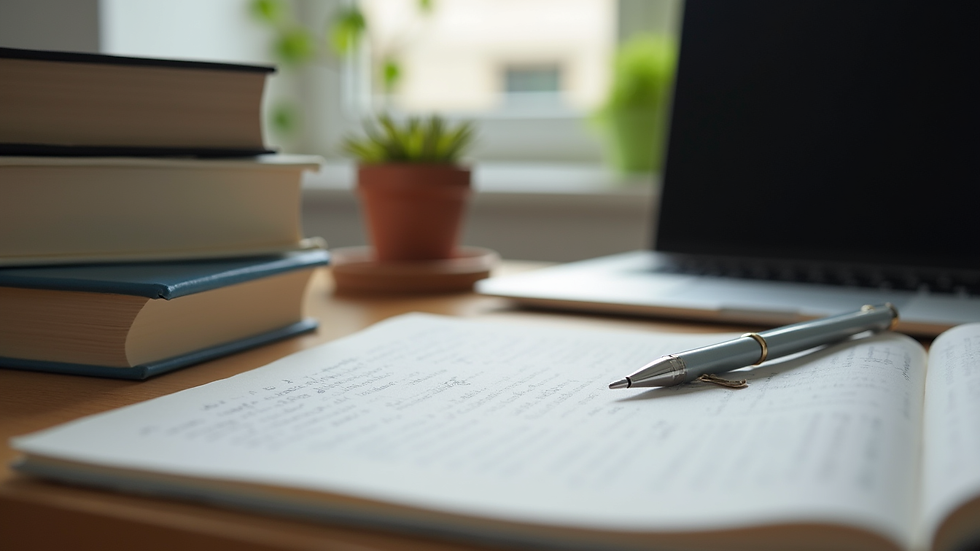
Caption: Eye-level view of a desk with academic books, notes, and a laptop, illustrating a typical editing workspace.
Why Choosing the Right Editor Matters
Selecting the right editor can make or break your dissertation journey. An editor who understands the academic landscape and your specific field will provide more relevant and insightful feedback. This not only improves your writing but also boosts your confidence.
I’ve seen firsthand how working with a skilled editor transforms a student’s work from a rough draft into a compelling, well-structured document. It’s not just about correcting mistakes; it’s about elevating your ideas and ensuring they shine through clearly.
If you want to ensure your dissertation meets the highest standards, consider partnering with an editing expert. Their expertise can be the difference between a stressful, drawn-out process and a smooth, successful completion.
Embracing the Journey to Doctoral Success
Editing is more than a service - it’s a partnership. As you navigate the challenges of doctoral writing, having a knowledgeable editor by your side can provide clarity, confidence, and peace of mind. Remember, every great dissertation starts with a strong foundation of clear, precise writing.
By understanding what sets an editing expert apart, you’re better equipped to choose the right support and make the most of your academic journey. Keep pushing forward - your hard work and dedication will pay off, and the right editing guidance will help you cross that finish line with pride.


Comments